
Apart from all the milestones your baby gets to achieve during the first year of her life, there is a certain aspect of her personality that is shaped during this phase too. In psychology, it is believed that the first 5-6 years of life are the most crucial in the future psychological health and happiness of an individual.
Freudian theory:
According to this famous psychologist, an infant is in the oral stage of psychosexual development from 0-18 months.
A baby’s connected with the mother through breastfeeding and so, a lot of his emotional development depends on how he is fed, especially once solid foods are introduced from 6 months of age. Or so the theory goes.
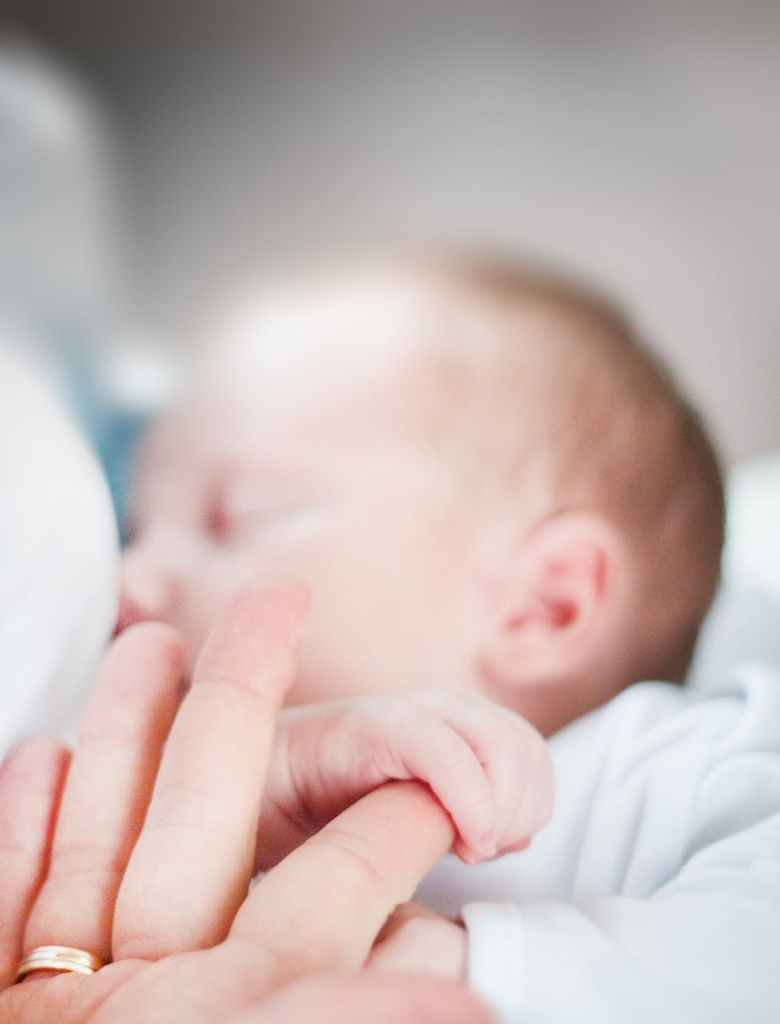
Freud was of the opinion that weaning the baby too early or too late can cause fixation. Making them either too manipulative and prone for addiction or too dependent and maladjusted. But no research has confirmed this.
Lacking in evidence and disproven by some studies, this theory is not something we should take too seriously.
Erickson’s Theory:
Erickson’s theory was about the stages of psychosocial development a person goes through.
By this concept, for an infant, the first stage 0-2 years, the major conflict is TRUST VS MISTRUST.
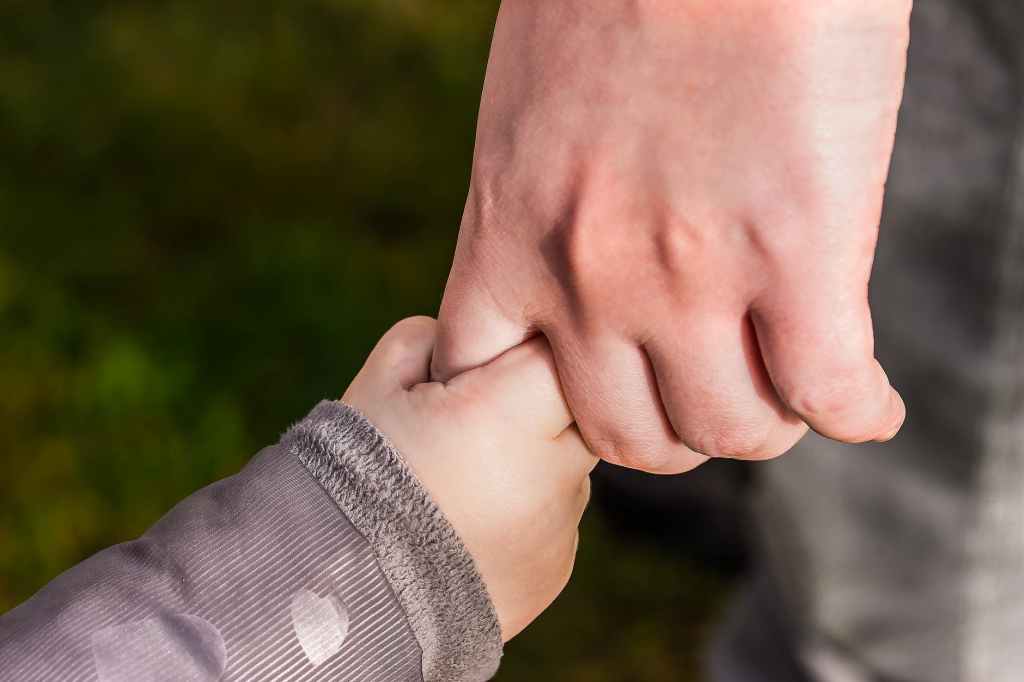
It depends on how well the baby is looked after, fed and how often she feels abandoned by her mother. The mother is the most important relationship during 0-2 years and the baby learns to hope and trust, based on her experiences with her mom.
If caregivers are consistent sources of food, comfort, and affection, an infant learns trust — that others are dependable and reliable.
Wikipedia
If not, then the child grows up to think the world is unpredictable and dangerous. It’s like the baby asks “Can I trust the world?” and the answer depends on the love and care she recieves.
Erikson believed these experiences also shape the baby’s understanding of her own trustworthiness.
The way it is described, a little mistrust may be required for today’s world. So I’m guessing we don’t have to stress ourselves about meeting our baby’s every need immediately.

Too much of mistrust that results from negligence or abuse, however can cause frustration, suspicion, withdrawal, or a lack of confidence.
Attachment theory:
During 6-12 months of age, a form of attachment forms between the mother and the child that persists as a pattern in all relationships the child has in the future. The patterns are:
- Secure
- Anxious ambivalent
- Anxious avoidant
- Disorganized
This is quite a broad topic, but in short,
Parents who almost always respond to their child’s needs will create securely attached children.
Wiki
When a parent is unpredictablly responsive, you get the anxious ambivalent child, who becomes anxious, insecure and angry. With a constantly unresponsive parent, the child becomes anxious avoidant, who becomes emotionally distant.

A disorganized attachment forms only in extreme cases where the mother is too neglectful, abusive or herself very frightened. The child becomes depressed, angry or passive.
Children who are securely attached tend to have less problems in forming good relationships with other people and have less social/ behavioral problems.
Introversion in Babies?
There are claims that intro or extraversion is fixed and can be determined even in babies as young as 4 months old. This article here is about signs of introversion in a baby: https://www.romper.com/p/9-signs-your-baby-is-introvert-30225
There is no scientific backing for it, but there have been several studies linking infant temperaments with their future selves’ personality traits.
There are theories about development of intelligence too, but that’s for another post.
 Baby Brains